Hurricane Tree Prep Services in Tampa Bay, FL
Hurricane season in Tampa Bay runs June through November, but the time to prepare your trees is well before the first storm forms in the Gulf. Getting your property assessed and your high-risk trees addressed in April or May means standard scheduling, standard pricing, and peace of mind before the season starts. Once a storm is in the forecast, that window closes fast.
Tampa Bay's Hurricane Season Starts June 1
Is Your Property Ready?
Trees are among the most overlooked storm risks on residential or commercial properties. A healthy, well-maintained tree can withstand significant wind. A tree with deadwood overhead, a weak branch attachment, or an overgrown canopy that's been left unchecked is a different story, and most homeowners don't know the difference until something comes down.
Tampa Bay has seen firsthand what storm-damaged trees can do to a home, a vehicle, or a fence line. The good news is that most of that risk is manageable if you address it before the season starts. A pre-season tree assessment takes the guesswork out of it and gives you a clear picture of what on your property actually needs attention.
What to Look for on Your Property
You don't need to be an arborist to spot a tree that's asking for trouble. Here are the most common warning signs to look for before hurricane season arrives.
Leaning Trees
A tree that's developed a noticeable lean, especially one that wasn't leaning before, is worth taking seriously. Leaning can indicate root damage, soil erosion, or structural instability, making the tree significantly more vulnerable in high winds.
Trees Too Close to Structures
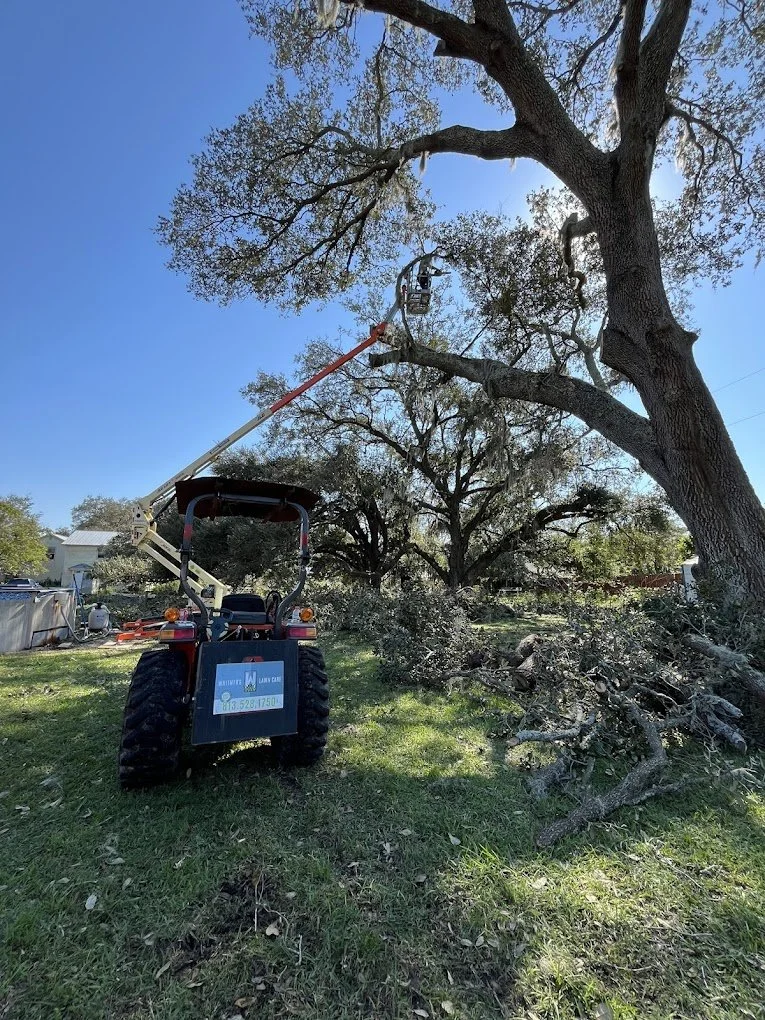
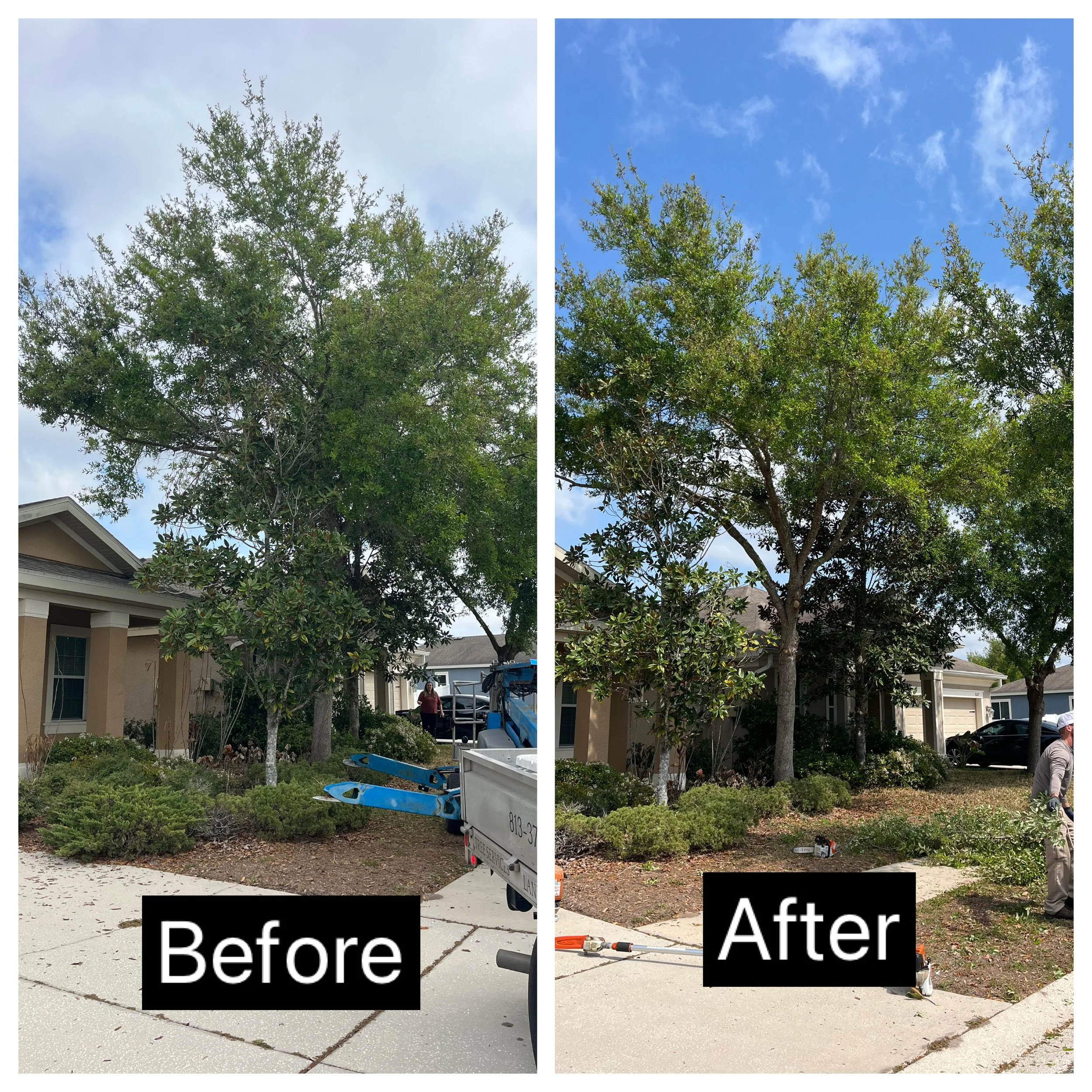
Trees that have grown into or near your roofline, gutters, fencing, or power lines create a compounding risk during a storm. Even if the tree itself survives, branches in contact with a structure can cause significant damage in high winds. Clearance pruning before the season starts addresses this directly.
Weak or Co-Dominant Branch Attachments
Co-dominant stems, where two or more trunks of similar size grow from the same point, create a natural weak spot in the tree's structure. Over time, the bark can develop between them, reducing the strength of the attachment. These are the branches and stems most likely to split under wind load.
Overgrown Canopy and Wind Load
A dense, full canopy catches significantly more wind than a properly thinned one. Canopy thinning, selectively removing interior branches to improve airflow, reduces the wind load on the tree without changing its shape or removing healthy structure.
Deadwood Overhead
Dead branches don't fall on a schedule. They can come down during a minor wind event, a storm, or a calm day with no warning at all. Deadwood overhead, especially large limbs over a roof, a driveway, or a frequently used outdoor area, should be removed before hurricane season, not after something happens.
How GreenWorks Prepares Your Trees for Hurricane Season
Our hurricane tree prep process starts with an honest assessment, no pressure, no upsells.
High-Risk Tree Removal
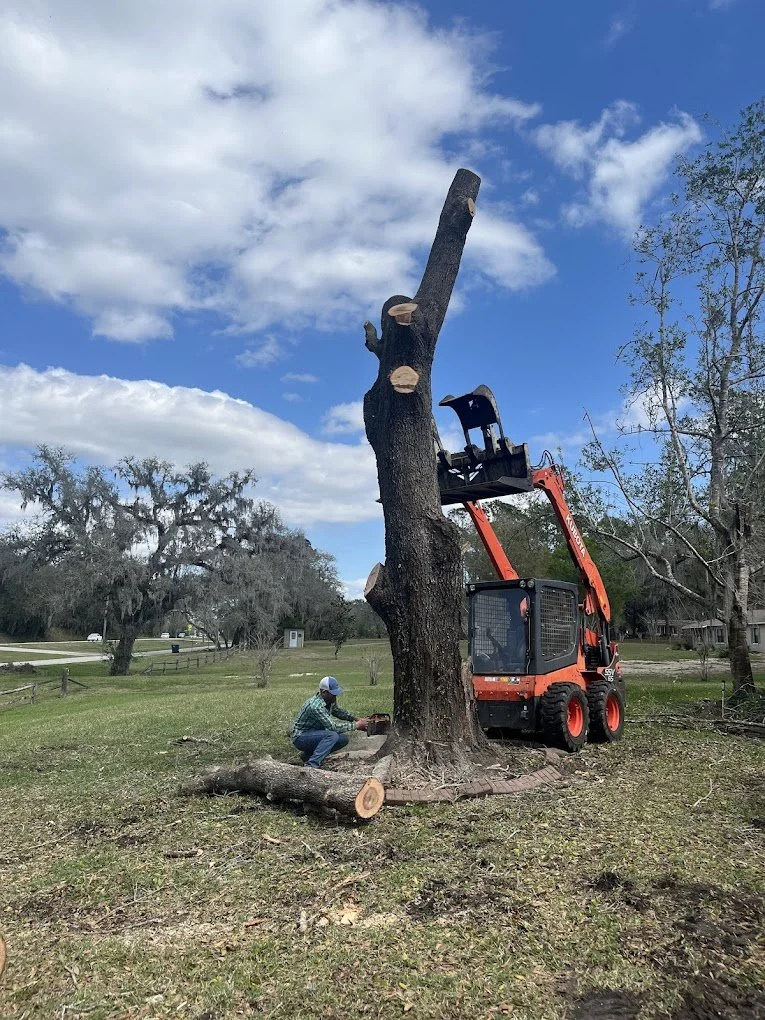
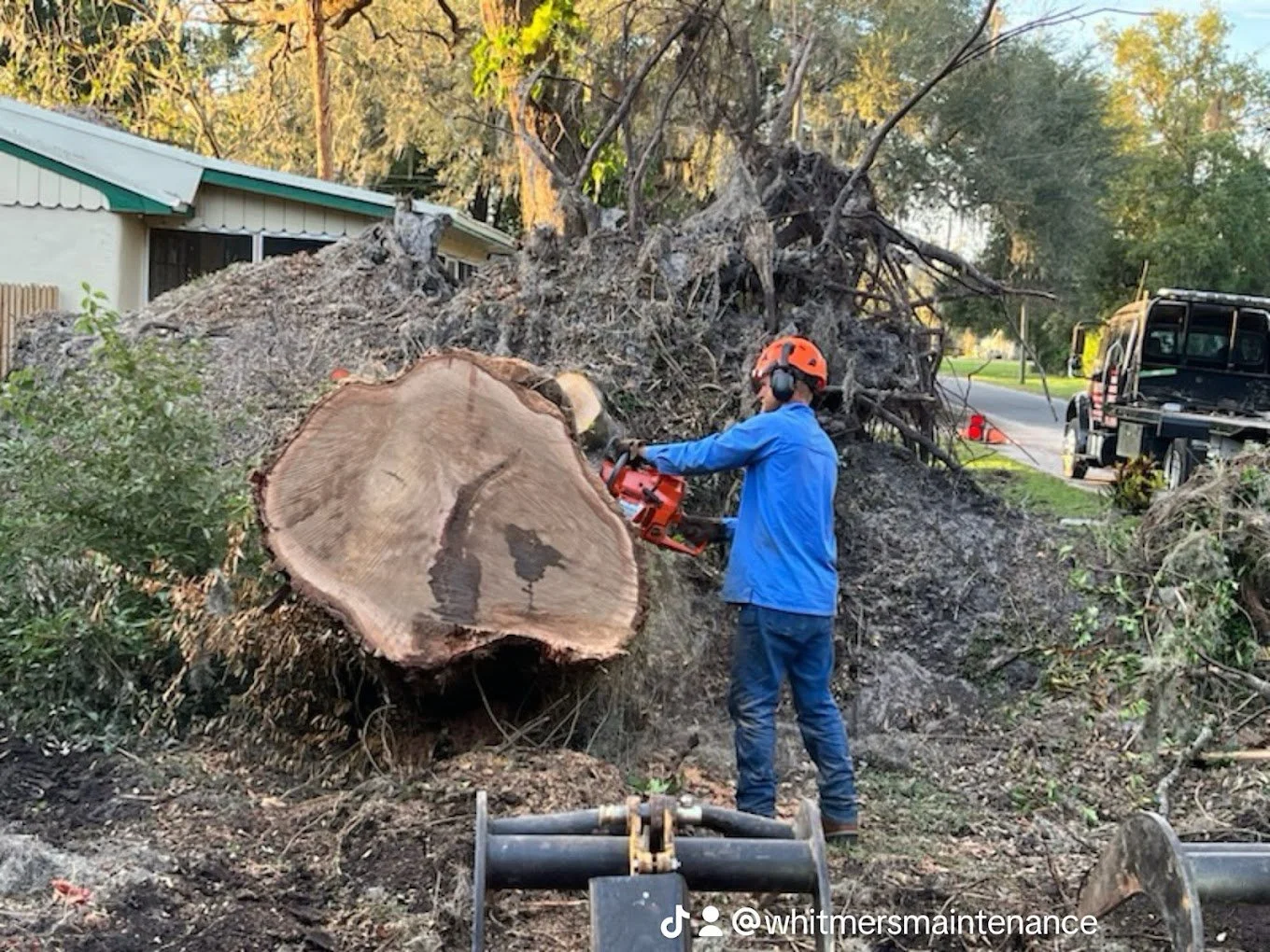
Some trees are genuinely too compromised to prep safely: advanced disease, significant structural damage, or positioning that makes them an unacceptable risk regardless of maintenance. When tree removal is the honest answer, we'll tell you clearly and handle it efficiently. We'd rather have that conversation in April than perform an urgent tree service in August.
Property Assessment
We walk the full property and evaluate each tree for structural integrity, proximity to structures, deadwood, lean, canopy density, and any other visible risk factors. You'll leave the walkthrough knowing exactly which trees are low risk, which need maintenance, and which, if any, should come down before the season starts.
Tree Cabling & Bracing
For trees with co-dominant stems, weak branch unions, or split limbs that are otherwise healthy and worth preserving, cabling and bracing provide structural reinforcement that limits dangerous movement in high winds. It's the preservation alternative to removal for trees you want to keep.
Structural Pruning to Reduce Wind Load
For trees that are structurally sound but carrying too much canopy, structural pruning removes the right branches in the right places, reducing wind resistance without compromising the tree's health or shape. This is skilled work that goes beyond standard trimming.
Palm Trees and Hurricane Season
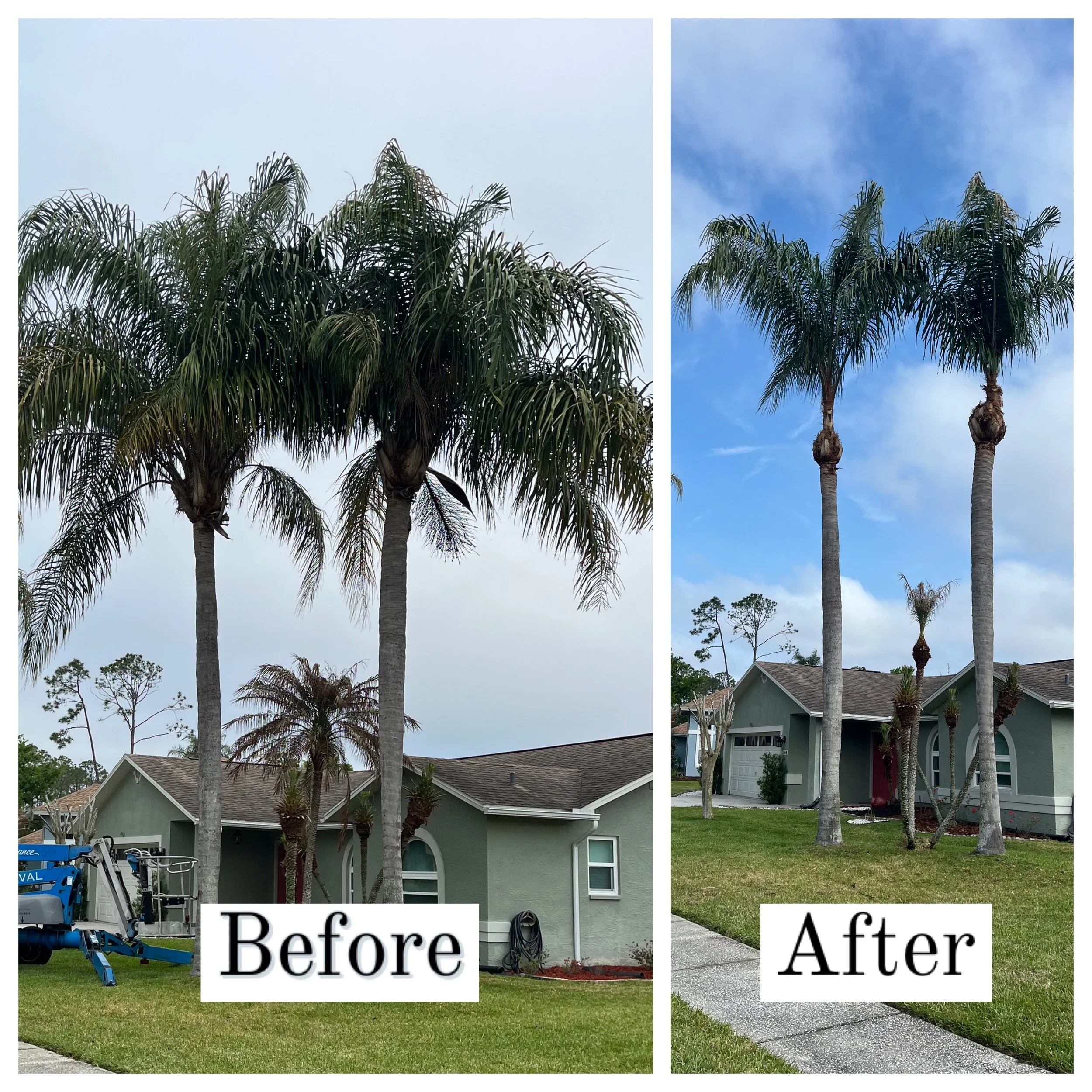
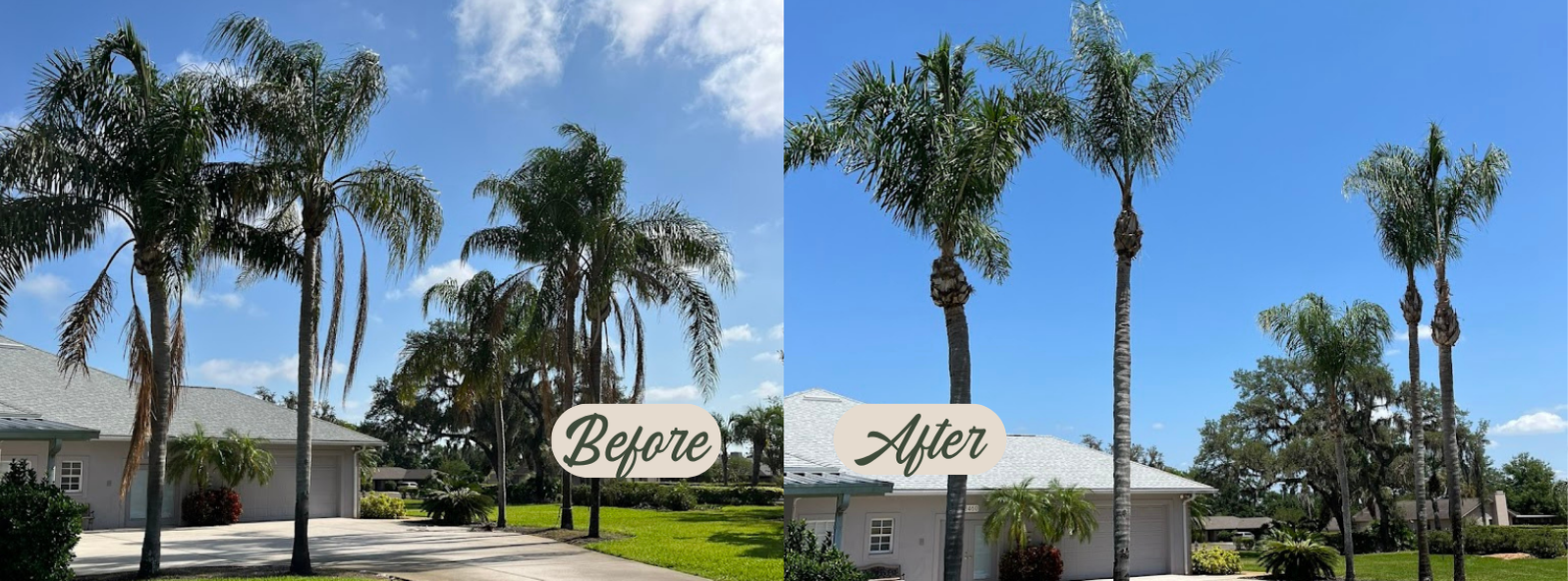
Palm trees handle hurricanes differently than hardwood trees, and better than most people expect. Their flexible trunks bend significantly in high winds rather than snapping, and their canopy of fronds offers far less wind resistance than a full hardwood canopy. Florida's native sabal palm is particularly well-adapted to storm conditions.
That said, palms still benefit from pre-season attention. Removing dead or dying fronds before hurricane season reduces the amount of debris a storm can throw from your property. Heavily weighted seed pods on certain species, including queen palms and coconut palms, should also be removed before the season starts. And palms that are already stressed, diseased, or poorly rooted are more vulnerable than healthy ones, regardless of their natural flexibility.
Why Acting Before the Storm Saves You Money
The math on this is straightforward. Pre-season tree prep is scheduled work — standard crew, standard equipment, standard pricing. Once a named storm is in the Gulf, demand spikes, crews get booked out, and the cost of the same work increases significantly. In many cases, it simply can't be done safely anymore because conditions have already changed.
Getting on the schedule in April or May means you're paying for proactive maintenance, not emergency response. It also means the work gets done properly, with time to assess, plan, and execute rather than rushing to beat a forecast. For most Tampa Bay homeowners, pre-season prep is one of the most cost-effective property decisions they can make before June 1.
Serving Hillsborough and Pasco County
GreenWorks provides hurricane tree prep services for residential homeowners, commercial properties, and rural acreage customers across the Tampa Bay area. Based in Thonotosassa, we serve communities throughout Hillsborough and Pasco County.
Get on the Schedule Before Hurricane Season Starts
Don't wait until a storm is in the forecast. Call us now or request a free on-site estimate, and we'll walk your property, assess your trees honestly, and tell you exactly what needs attention before June 1.
Already dealing with storm damage? We handle that too.