


Why Tree Trimming Enhances Safety and Growth
- cjtigergurl
- Nov 21, 2025
- 3 min read
Tree trimming is an essential practice that helps maintain the health, safety, and beauty of trees in any landscape. Properly trimmed trees not only look better but also grow stronger and pose fewer risks to people and property. Understanding the benefits of tree trimming can encourage homeowners and property managers to invest in regular maintenance, ensuring their trees thrive for years to come.
The Benefits of Tree Trimming for Safety
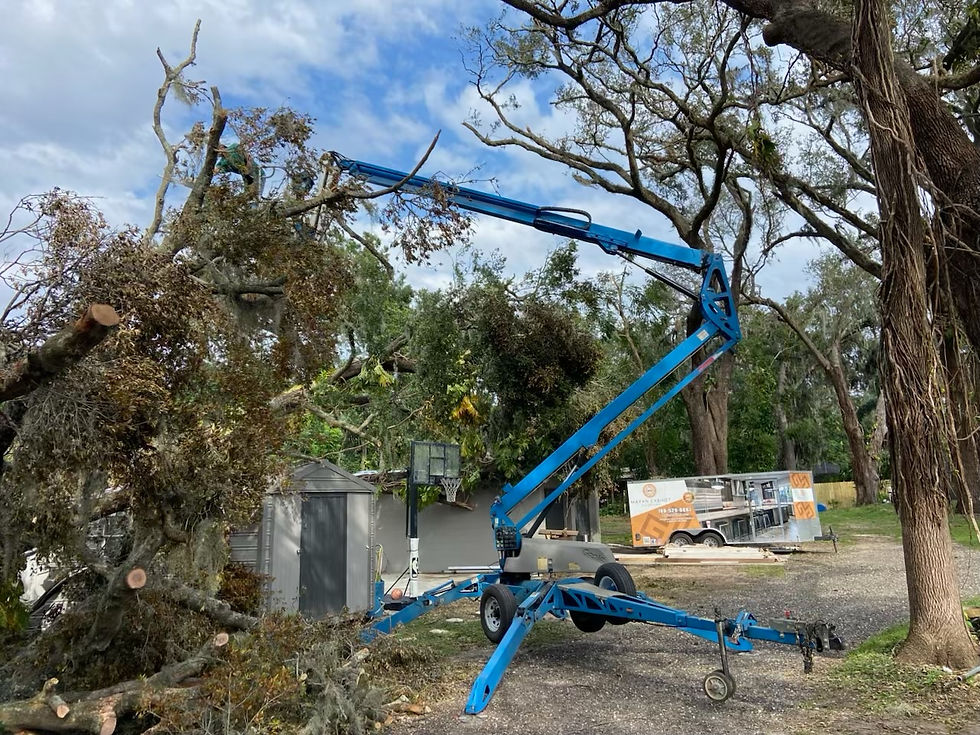
One of the primary reasons to trim trees is to enhance safety. Overgrown or damaged branches can become hazardous, especially during storms or high winds. Dead or weak limbs may fall unexpectedly, causing injury or property damage. Regular trimming removes these dangerous branches before they become a problem.
For example, branches hanging over roofs or near power lines can cause significant damage if they break. Trimming these branches reduces the risk of power outages and costly repairs. Additionally, clearing branches away from walkways and driveways prevents accidents caused by low-hanging limbs.
Key safety benefits include:
Removal of dead or weak branches that could fall
Prevention of interference with power lines and structures
Improved visibility around the property
Reduced risk of pest infestations hiding in dense foliage
By addressing these issues proactively, tree trimming helps create a safer environment for everyone.
How Tree Trimming Promotes Healthy Growth
Tree trimming is not just about safety; it also plays a crucial role in promoting healthy growth. When done correctly, trimming encourages trees to develop strong branches and a balanced structure. Removing crowded or crossing branches allows more sunlight and air to reach the inner parts of the tree, which is vital for photosynthesis and overall health.
For instance, cutting back overgrown branches can prevent disease by improving air circulation. This reduces the chances of fungal infections and pest infestations. Additionally, trimming can stimulate new growth by redirecting the tree’s energy to healthier parts.
Practical tips for promoting growth through trimming:
Trim during the tree’s dormant season to minimize stress.
Remove only the necessary branches to avoid over-pruning.
Use clean, sharp tools to make precise cuts.
Focus on cutting branches that grow inward or cross each other.
Regular maintenance through trimming helps trees grow stronger and live longer.

When to Schedule Tree Trimming
Knowing the right time to trim your trees is essential for maximizing the benefits. Most trees respond best to trimming during their dormant season, typically late winter or early spring. This timing reduces stress and allows the tree to heal quickly before the growing season begins.
However, some trees may require trimming at other times due to specific needs or damage. For example, removing dead or broken branches should be done promptly regardless of the season to maintain safety.
If you are unsure about the best time to trim your trees, consulting with professionals who offer tree trimming services can provide expert guidance tailored to your tree species and local climate.
Tools and Techniques for Effective Tree Trimming
Using the right tools and techniques is critical for successful tree trimming. Proper equipment ensures clean cuts that heal quickly and reduce the risk of disease. Common tools include pruning shears, loppers, hand saws, and pole pruners.
Effective trimming techniques include:
Cutting at the branch collar to promote healing
Avoiding flush cuts that damage the trunk
Thinning dense areas to improve light penetration
Removing suckers and water sprouts that drain energy
Safety gear such as gloves, goggles, and helmets should always be worn during trimming to protect against injury.
For large or high branches, it is often safer and more efficient to hire professionals who have the experience and equipment to handle complex trimming tasks.
Long-Term Advantages of Regular Tree Trimming
Investing in regular tree trimming offers long-term advantages that go beyond immediate safety and growth. Well-maintained trees increase property value by enhancing curb appeal and creating a pleasant outdoor environment. Healthy trees also provide better shade, which can reduce cooling costs in the summer.
Moreover, regular trimming helps prevent costly emergency tree removals by addressing problems early. It also supports the local ecosystem by keeping trees strong and resilient against pests and diseases.
Summary of long-term benefits:
Increased property value and aesthetic appeal
Improved energy efficiency through better shade
Reduced risk of emergency tree damage
Enhanced tree lifespan and ecosystem health
By scheduling routine trimming, you ensure your trees remain assets rather than liabilities.
Taking care of your trees through proper trimming is a smart investment in safety, health, and beauty. Whether you choose to do it yourself or hire expert tree trimming services, the benefits are clear and lasting. Start planning your tree care today to enjoy a safer and more vibrant landscape tomorrow.


Comments